
Table of Contents
- The Phone That Wouldn’t Stop Vibrating
- A Night Treated Like Any Other
- Morning Came Too Easily
- The Call That Finally Explained Everything
- At the Hospital, Time Slowed Down
- What Silence Leaves Behind
- Learning What Can’t Be Fixed
- The Call He Answers Now
The Phone That Wouldn’t Stop Vibrating
The phone vibrated once on the bedside table, then went still.
Still, he opened one eye, glanced at the screen, and watched it fade back to black.
2:17 AM.
He turned onto his side and let the silence close again.
By morning, that silence would feel loud enough to bruise — the beginning of a missed call story he didn’t yet understand.
A Night Treated Like Any Other
Rohan had always slept lightly, the way people do when unfinished conversations follow them into bed. Even after twelve years in the same apartment, the same job, the same city, his nights rarely felt complete.
The call came from an unsaved number.
That was part of why he ignored it.
Another part was the hour.
Another part was exhaustion.
He told himself — honestly, almost kindly — that whoever it was could wait.
Everything could wait, he believed, if you planned carefully enough.
The apartment smelled faintly of old coffee. He had left the mug on the counter again, a habit Ananya used to complain about when she still lived there. Quiet had replaced her voice. Quiet felt manageable.
Morning Came Too Easily
He woke again at six, as usual, without an alarm. The phone lay where he had left it. No new notifications. No follow-up call.
For a moment, he wondered if he had imagined the vibration.
Then he saw it.
Missed call.
2:17 AM.

He stared at it longer than necessary, thumb hovering. The number looked ordinary. Local. Not spam.
Later, he told himself he would call back after his shower.
He always told himself there would be time.
The Call That Finally Explained Everything
At work, the day moved along obediently. Meetings. Emails. Deadlines that behaved exactly as expected.
Still, at 11:43 AM, the missed call surfaced again while he checked messages. No voicemail.
Meanwhile, the office hummed around him — laughter near the printer, low arguments over the phone. Life continuing with impressive indifference.
It wasn’t until his lunch arrived, untouched and cooling, that unease crept in.
Then, at 5:46 PM, the message came.
“Sir, this is from City General Hospital. Please call us back as soon as you see this.”
The voice on the return call was calm, practiced, gentle in the way professionals learn to be.
“Your father was brought in early this morning,” she said.
“He collapsed at home.”
Rohan already knew the rest.
“He passed away at 4:38 AM.”
At the Hospital, Time Slowed Down
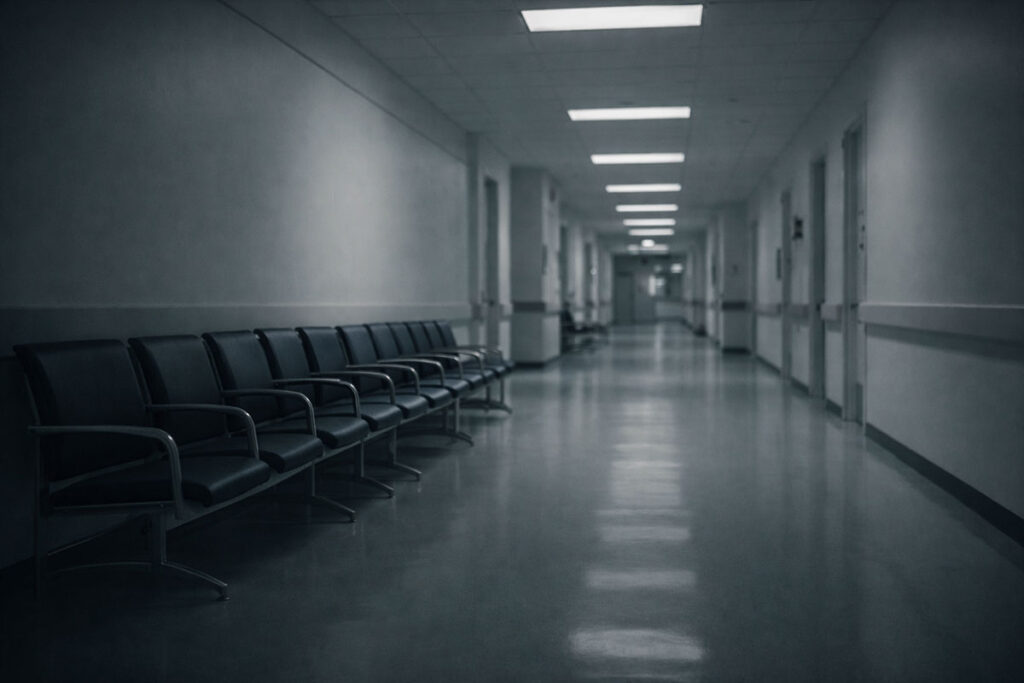
Traffic refused to understand urgency. Red lights lingered. Horns complained.
At the hospital, his father lay beneath a thin sheet. Smaller than Rohan remembered. Less certain.
He tried to imagine his father dialing his number in the dark. Tried to imagine what he might have said if the call had been answered.
Maybe nothing important.
Maybe just his name.
Maybe a breath.
The doctor explained the medical details — sudden cardiac arrest, nothing that could have been done.
That sentence was meant to help.
It didn’t.
Because Rohan wasn’t asking whether his father could have been saved.
He was asking whether his father had felt alone.
What Silence Leaves Behind

The days that followed were procedural. Forms. Signatures. Decisions made while barely present.
People said the right things.
“These things happen.”
“Life is unpredictable.”
“Don’t blame yourself.”
At night, the missed call replayed itself. The vibration. The brief insistence. The decision that hadn’t felt like a decision at the time.
Later, while sorting through the house, Rohan found his father’s phone. The screen was cracked. The battery nearly gone.
Outgoing call.
2:17 AM.
Duration: 18 seconds.
His father had waited for the ring to end.
He hadn’t tried again.
That hurt more than Rohan expected.
Learning What Can’t Be Fixed
Grief arrived quietly. At grocery stores. At traffic lights near the old house. In the pause before sleep.
Eventually, Rohan understood what the missed call story was really about.
It wasn’t about phones.
It wasn’t about timing.
It was about how easily he believed later was guaranteed.
He had treated relationships like tasks — manageable, deferrable, always waiting.
But later, he realized, was never promised.
The Call He Answers Now
Months later, on a night that felt familiar, Rohan lay scrolling aimlessly when his phone buzzed.
2:11 AM.
This time, he answered immediately.
It was a wrong number. A drunk stranger apologizing before hanging up.
Rohan stared at the ceiling afterward, heart still racing, and felt something soften inside him.
He placed the phone back on the table, screen facing up.
And this time, he slept.