Finding your name on a document you never signed can feel deeply disturbing. At first, you may assume it is just a clerical mistake. Then, as more details appear, the situation can become much more serious. A forged signature may affect your finances, your reputation, and even your legal standing.
In many cases, this problem appears suddenly. For example, a bank may contact you about a loan you never approved. In other situations, you may notice missing funds, a suspicious contract, or paperwork tied to your name without your consent. Whatever the trigger, the emotional impact is often immediate.
Fortunately, you are not without options. If you respond quickly, document everything, and follow a clear process, you can protect yourself and improve your chances of fixing the damage.
Table of Contents
- What signature forgery and identity theft mean
- Signs someone may have forged your signature
- What to do immediately if you discover forgery
- How to report forgery and financial fraud
- The legal difference between fraud and a mistake
- How to protect your money, credit, and records
- When you should speak with a lawyer
- The emotional impact of signature fraud
- Final thoughts
What Signature Forgery and Identity Theft Mean
Signature forgery happens when someone signs your name without your permission. Usually, the goal is to gain money, control, access, or some legal advantage. Identity theft, by contrast, is broader. It includes the misuse of your personal details, such as your name, account information, identification documents, or signature.
Sometimes, both problems happen together. For instance, a person may use your personal data to create a fraudulent document and then add a fake signature to make it appear valid. As a result, the issue may grow beyond one paper and turn into a wider financial or legal problem.
Common examples include:
- Signing your name on a loan agreement
- Forging your signature on property documents
- Using your name on banking forms without consent
- Endorsing a cheque you never approved
- Filing altered paperwork in a family or business dispute
- Changing terms on a document after you signed something else
Even so, not every signature problem is fraud. Occasionally, a paperwork error or misunderstanding is involved. Still, any unauthorized signature deserves immediate attention.
If you believe your signature was forged, avoid reacting emotionally in the moment. Instead, gather proof first and protect yourself before confronting anyone.
Signs Someone May Have Forged Your Signature
In real life, forgery is often discovered through its consequences. Rather than spotting the document first, many people notice unusual activity around it. For example, they may receive a call about a debt they do not recognize. Likewise, they may see a transaction they never approved.
Common warning signs include:
- Calls or notices about unknown debts
- Suspicious withdrawals or account activity
- A claim that you signed a document you never saw
- New credit activity you did not authorize
- Contracts or records appearing in your name unexpectedly
- A signature that resembles yours but appears in the wrong context
At the same time, the psychological shock can slow people down. Some freeze. Others doubt themselves. As a result, valuable time is lost. However, quick action is often the best protection.
What to Do Immediately If You Discover Forgery
The first few hours and days matter. During that period, your job is to secure evidence, reduce financial risk, and create a reliable record of events.
1. Get a copy of the document
First, obtain the full document whenever possible. Do not rely on verbal summaries. Instead, ask for a scan, a printed copy, or an official record. In addition, save related emails, letters, screenshots, and messages.
Keep notes on:
- The date you discovered the issue
- Where the document came from
- Who informed you about it
- Why you believe the signature is false
- Any money, legal, or property risk connected to it
2. Contact the institution involved
Next, reach out to the bank, company, employer, lawyer, or office connected to the document. Tell them clearly that you did not sign it and did not authorize anyone to sign on your behalf.
Ask for:
- A complete copy of the document
- The processing date
- Identity verification records, if available
- Related transaction history
- Their official fraud or dispute procedure
Whenever possible, communicate in writing. That way, you create a record from the start. Later, that record may become very important.
3. Protect your accounts
If money, banking, or credit is involved, act quickly. Otherwise, the risk may continue while you investigate.
Smart first steps include:
- Changing passwords and PINs
- Turning on two-factor authentication
- Freezing cards or accounts if needed
- Alerting your bank’s fraud team
- Reviewing recent transactions carefully
4. File an official complaint
After that, make a formal report through the correct channel. Depending on the case, that may mean contacting a bank, the police, a cybercrime portal, a credit agency, or a lawyer.
You may need to report the issue to:
- Your bank or lender
- Local police
- Cybercrime reporting authorities
- Credit bureaus or reporting agencies
- Your employer or HR department
- A lawyer or fraud adviser
- Relevant government offices
5. Preserve all evidence
Finally, keep every document safe. Do not write on the original. Also, do not throw away envelopes, letters, or digital messages. Even if they upset you, they may help prove your case later.
Treat forgery as both a legal problem and a personal violation. Therefore, stay calm, document every step, and let facts lead the process.
How to Report Forgery and Financial Fraud
A vague complaint is easy to dismiss. By contrast, a clear report supported by records carries more weight. Therefore, the way you report the problem matters almost as much as the report itself.
Start with a timeline
Begin by creating a simple timeline. This helps banks, lawyers, and investigators understand the sequence of events.
Include details such as:
- When the document was created or processed
- When you first became aware of it
- What you did immediately afterward
- Who you contacted
- What each person or institution told you
Write a clear dispute statement
Next, prepare a short written statement. Keep it factual. Avoid emotional language. The goal is clarity, not drama.
A useful format is:
- I did not sign this document
- I did not authorize anyone to sign for me
- I became aware of this on [date]
- I request an immediate fraud investigation
- I request written confirmation of the next steps
Because institutions often handle many cases, a direct statement can help your complaint move faster.
Ask specific questions
In addition, ask focused questions so you understand what happens next.
For example:
- Is the account or transaction being paused?
- What documents do you need from me?
- How long will the investigation take?
- Will I receive the findings in writing?
- What happens if fraud is confirmed?
As the case moves forward, keep copies of every email, letter, and response. Over time, those records can become one of your strongest tools.
The Legal Difference Between Fraud and a Mistake
Many people assume that every false signature is automatically treated the same way. Legally, that is not always true. In most cases, forgery becomes more serious when there is intent to defraud.
In simple terms, intent to defraud usually means someone knowingly signed your name without permission in order to gain money, control, access, or another unfair advantage. Because of that intent, the act carries more legal weight.
Intent to defraud often includes:
- Knowing the signature was not yours
- Acting without your permission
- Seeking money, access, or legal benefit
- Causing harm or creating risk for you
On the other hand, some cases involve error rather than deliberate fraud.
A mistake may involve:
- Signing the wrong line accidentally
- A clerical error during processing
- Misunderstanding about who had authority
- Poor document handling without deceptive intent
Even then, you should still dispute the signature. You do not need to prove motive before reporting the issue. Instead, you need to state clearly that the signature is not yours and that you never approved it.
How to Protect Your Money, Credit, and Records
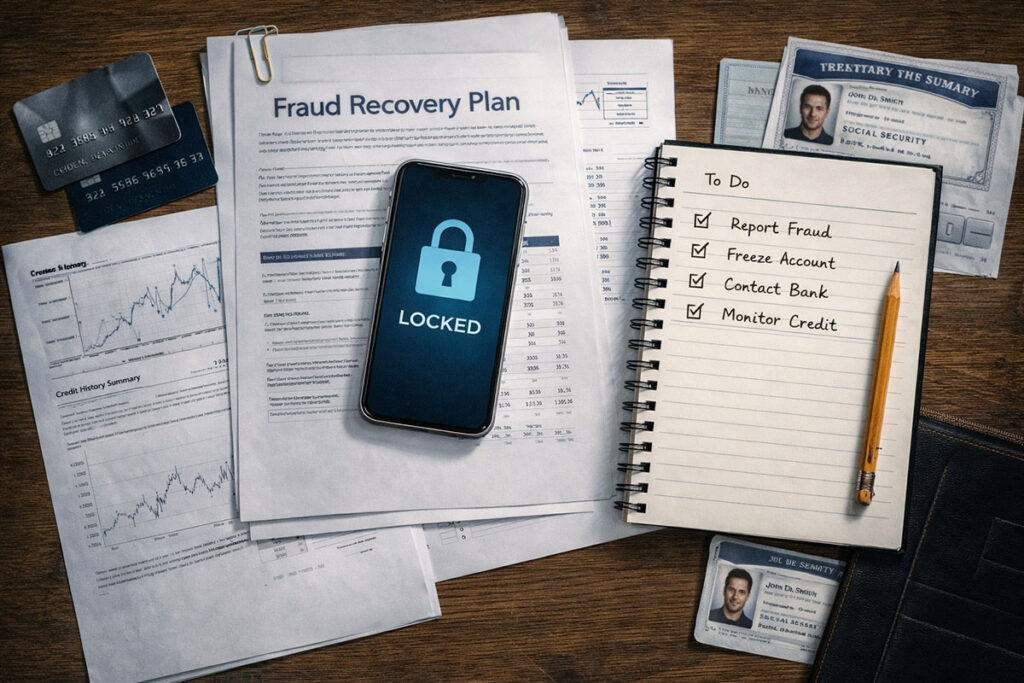
Once the immediate emergency has passed, the next step is long-term protection. Otherwise, one forged signature can lead to new problems later.
Financial protection checklist
- Review bank and card activity carefully
- Check for loans or payment obligations in your name
- Update passwords on financial apps
- Set alerts for logins, withdrawals, and transfers
- Request written confirmation of disputed transactions
Identity protection checklist
- Review your credit history if possible
- Watch for unfamiliar calls, letters, or emails
- Secure your email account first
- Protect tax, banking, and document storage accounts
- Store ID papers in a safe place
Record-keeping checklist
- Save copies of both genuine and disputed documents
- Keep police reports and bank complaints together
- Store screenshots, emails, and letters in one folder
- Write down dates, names, and call summaries
A strong paper trail helps in several ways. For example, it can support a legal claim, a bank dispute, or a credit correction request. Just as importantly, it keeps you organized when the situation feels overwhelming.
When You Should Speak With a Lawyer
Some cases can be resolved through a bank or company process. However, others need legal advice early.
You should speak with a lawyer if:
- Property or real estate documents are involved
- A large amount of money is at stake
- You are being blamed for a debt
- The issue affects divorce, inheritance, or business ownership
- An institution refuses to cooperate
- Your job or reputation is under threat
In these situations, legal guidance can save time and reduce risk. A lawyer may help you send formal notices, challenge false claims, and preserve evidence properly. In some cases, a forensic handwriting expert may also be useful.
The Emotional Impact of Signature Fraud
Signature forgery is not only a paperwork issue. It is also a trust injury. That is especially true when the person involved is a partner, family member, colleague, or friend.
For many people, the emotional fallout is immediate. At first, there may be disbelief. After that, fear, anger, and shame often follow. Some feel foolish for not noticing sooner. Others become anxious whenever a call, letter, or official message arrives.
Common emotional reactions include:
- Shock and confusion
- Fear about legal or financial damage
- Shame about missing the signs
- Loss of trust in others
- Stress caused by forms, calls, and uncertainty
These reactions are normal. In fact, identity-related betrayal can affect your sense of safety in a very deep way.
Helpful ways to cope include:
- Focusing on one step at a time
- Using a written checklist
- Asking a trusted person to help with paperwork
- Avoiding emotional confrontation too early
- Seeking mental health support if the stress grows heavy
Most importantly, do not minimize what you are feeling. Although the problem may look administrative on the surface, the emotional damage can be very real.
Final Thoughts
Seeing your name on a document you never signed can shake your confidence quickly. Even so, you are not powerless. If you act early, keep strong records, and follow the right process, you can protect your legal position and reduce the damage.
Start by collecting evidence. Then contact the relevant institution. After that, secure your accounts, file reports, and get legal help when necessary. Step by step, the situation becomes easier to manage.
Legal facts are important, but the emotional toll of forgery is a different story. Read our real-life inspired narrative, The Signature at the Bottom of the Page, to see how one small ink stroke changed a life forever.
Frequently Asked Questions
What should I do first if someone forged my signature?
First, collect a copy of the document and save all related evidence. Then contact the institution involved and report the issue in writing.
Is forging a signature always identity theft?
Not always. However, forgery and identity misuse often overlap, especially when financial or legal documents are involved.
Do I need a lawyer for signature forgery?
Not in every case. Still, if money, property, or legal responsibility is involved, legal advice is often a smart next step.
Can a bank investigate a forged signature?
Yes, in many cases. Banks usually have a dispute or fraud process for unauthorized transactions and suspicious documents.