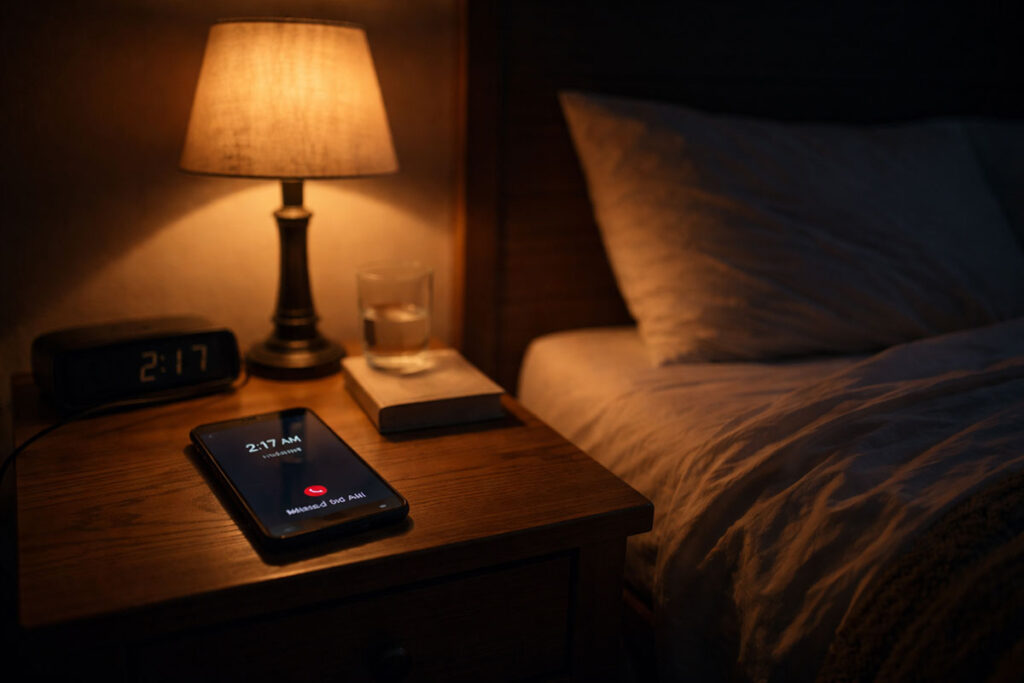

When life feels loud, uncertain, and emotionally exhausting, many people go searching for the same thing: peace. Not a perfect life. Not total control. Just a way to breathe, think clearly, and feel safe inside their own mind again.
This is a deeply common real-life struggle. Whether the stress comes from bad news, work pressure, family conflict, burnout, grief, or a world that feels constantly “on,” the nervous system can become overloaded. When that happens, even simple tasks feel heavier. Sleep becomes harder. Patience gets shorter. Small worries start to feel enormous.
The good news is that emotional calm is not something only a few lucky people are born with. It is something we can practice, protect, and rebuild. In this guide, we’ll look at why anxiety rises during overwhelming times, how soothing routines can help regulate the mind and body, and what practical habits can restore a sense of inner steadiness.
Table of Contents
- Why anxious environments affect us so deeply
- How calm routines help the brain and body
- 7 grounding habits that help you feel safe again
- How to become a calming presence for others
- When stress becomes too much to handle alone
- Final thoughts: peace can be practiced
Why anxious environments affect us so deeply
Humans are highly responsive to emotional atmosphere. We do not just react to events; we also react to tone, uncertainty, and the mood around us. If your home, workplace, social feeds, or daily routine are full of tension, your body may begin acting as though danger is always nearby.
This is why people often search for answers to questions like:
- Why do I feel anxious all the time?
- Why can’t I relax even when nothing is wrong?
- How do I calm my mind during stressful periods?
- Why does bad news affect me so much?
The answer often lies in nervous system overload. When stress is repeated, the brain becomes more alert and more reactive. You may notice:
- Racing thoughts
- Trouble sleeping
- Irritability
- Shallow breathing
- Difficulty focusing
- Emotional numbness or crying spells
- Feeling “on edge” for no clear reason
An anxious environment trains the body to stay prepared. But the body was never meant to stay in that state all day, every day.
Peace is not the absence of stress. It is the ability to return to yourself even while life remains imperfect.
That return begins with understanding that your distress is not weakness. It is often a very human response to prolonged emotional pressure.
How calm routines help the brain and body
One of the most effective ways to reduce anxiety is not through one dramatic fix, but through repeated signals of safety. Calm routines matter because they teach the brain that not every moment is an emergency.
When you breathe slowly, lower stimulation, hear a soothing voice, rest from constant alerts, or follow a familiar ritual, your body receives a message: you are safe enough right now.
This can help:
- Reduce mental overactivity
- Slow heart rate
- Improve focus
- Support better sleep
- Lower emotional reactivity
- Increase resilience over time
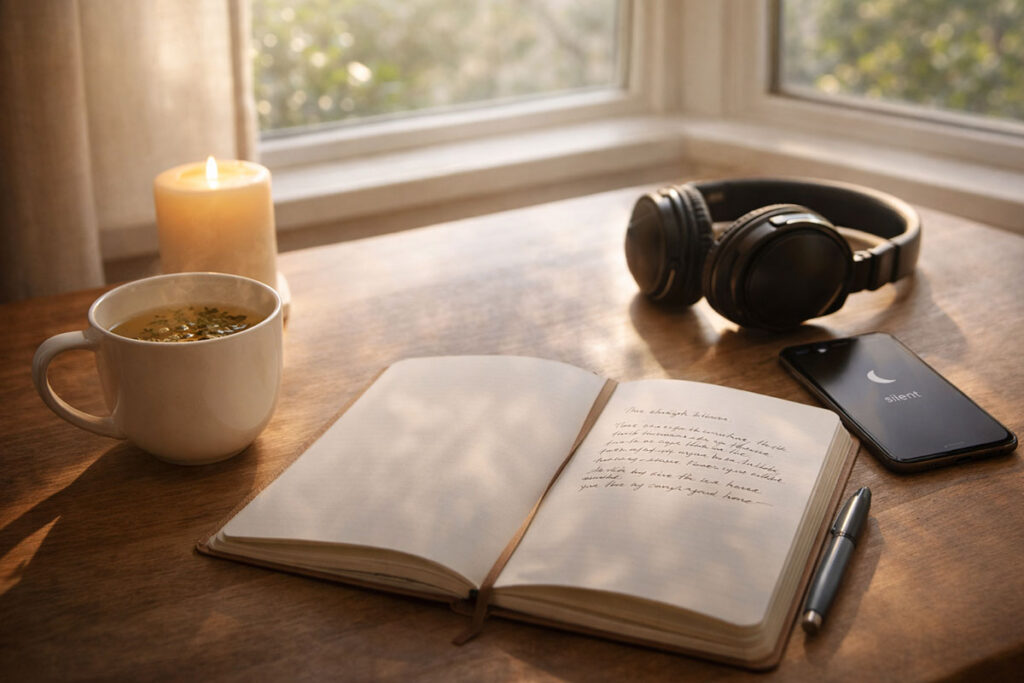
Many people underestimate how powerful simple rituals can be. A gentle evening walk, a quiet cup of tea, five minutes of silence, a comforting voice, soft music, or even turning off your phone for a while can become anchors.
Why repetition matters
Calm is easier to access when it becomes familiar. The brain responds well to repetition. This is why bedtime routines help children, and why adults also benefit from predictable, comforting habits.
The more often you practice calm, the easier it becomes to reach it again.
Why voice and presence matter
Sometimes people do not need advice first. They need regulation first. A calm voice, steady tone, and reassuring presence can help the body settle faster than logic alone. This is one reason guided meditations, supportive conversations, and even peaceful audio content can be so effective during stressful times.
7 grounding habits that help you feel safe again
If you have been wondering how to calm anxiety naturally or how to feel emotionally grounded again, these practices can help.
1. Start with your breath, not your thoughts
When the mind spirals, trying to “think your way out” often makes things worse. Start with the body.
Try this:
- Inhale for 4 counts
- Exhale for 6 counts
- Repeat for 2 to 5 minutes
- Keep your shoulders relaxed
- Do not force deep breathing; aim for steady breathing
Longer exhales help signal safety to the nervous system. This makes it easier for your thoughts to slow down afterward.
2. Create one quiet part of your day
You do not need a silent life. You need one protected pocket of calm.
This could be:
- 10 minutes without your phone in the morning
- A peaceful walk after dinner
- Sitting by a window before work
- Listening to soothing music before sleep
- Drinking tea without multitasking
Even one daily quiet ritual can reduce emotional noise.
3. Limit the amount of distress you consume
Many people are not only stressed by life; they are overstimulated by constant exposure to stress.
Ask yourself:
- Am I checking upsetting news too often?
- Am I using social media in a way that heightens fear?
- Am I leaving myself any room to mentally recover?
Protecting your peace may mean:
- Setting time limits for news intake
- Avoiding doom-scrolling at night
- Muting accounts that trigger overwhelm
- Replacing some screen time with restorative activities
4. Use grounding when panic rises
Grounding helps pull attention away from spiraling thoughts and back into the present moment.
A simple grounding exercise:
- Name 5 things you can see
- Name 4 things you can feel
- Name 3 things you can hear
- Name 2 things you can smell
- Name 1 thing you can taste
This helps the brain reconnect with the immediate environment instead of imagined danger.
5. Let your body release stress physically
Stress lives in the body, not just the mind. Gentle movement can help discharge accumulated tension.
Helpful options include:
- Walking
- Stretching
- Slow dancing
- Yoga
- Shaking out your arms and legs
- Deep shoulder rolls
You do not need an intense workout. You need movement that tells the body it is allowed to come out of survival mode.
If your mind feels heavy, do not ask only, “What am I thinking?” Also ask, “What is my body carrying?”
6. Choose soothing input on purpose
What you hear repeatedly shapes your internal state. People often focus on what they should stop doing, but it also helps to choose what they should start receiving.
Examples of soothing input:
- Gentle podcasts
- Guided breathing audio
- Prayer or meditation
- Instrumental music
- Nature sounds
- Reassuring conversations
- Readings that offer perspective instead of panic
A peaceful voice can become a bridge back to calm.
7. Build connection, not just coping
Stress isolates. Peace often returns through connection.
Reach out to someone who feels emotionally safe. That might be:
- A trusted friend
- A partner
- A sibling
- A support group
- A therapist
- A mentor or spiritual guide
Healing becomes easier when you are not carrying everything alone.
How to become a calming presence for others
Many people search not only for how to calm themselves, but also for how to help someone who is anxious. If someone around you is overwhelmed, your job is not to fix their life instantly. It is to help create emotional safety.
What helps
- Speak slowly and clearly
- Listen without interrupting
- Avoid minimizing their feelings
- Offer practical reassurance
- Stay steady rather than reactive
- Encourage rest, food, water, and quiet
What to avoid
- “You’re overthinking”
- “Just calm down”
- “Other people have it worse”
- Immediate problem-solving before listening
- Matching their panic with your own
A better response sounds like:
- “I’m here.”
- “You do not have to carry this alone.”
- “Let’s slow this down one step at a time.”
- “Take a breath with me.”
Calm can be contagious. So can panic. The way we show up for others matters more than many people realize.
When stress becomes too much to handle alone
There is a difference between everyday stress and persistent emotional distress that needs professional support. Self-help tools are valuable, but they are not a replacement for care when symptoms become overwhelming.
Consider reaching out for professional help if you notice:
- Panic attacks
- Constant dread
- Ongoing sleep disruption
- Loss of appetite or overeating from stress
- Inability to function normally
- Feeling emotionally shut down for long periods
- Thoughts of hopelessness
Getting help is not a sign that you failed to cope. It is a sign that your pain deserves proper support.
Therapy, counseling, support groups, and mental health guidance can make a meaningful difference. Sometimes healing begins the moment someone stops trying to “be strong” in silence.
Final thoughts: peace can be practiced
If life has felt heavy lately, you are not alone. Many people are carrying invisible stress, hidden fear, and emotional exhaustion while still trying to appear fine on the outside. That is exactly why calm matters so much.
Peace is not always dramatic. Sometimes it looks like breathing more slowly. Turning the noise down. Speaking more gently to yourself. Resting before you break. Letting one safe voice, one quiet ritual, or one small habit guide you back to steadiness.
You do not need to solve everything today. You may only need to create one moment that tells your body: this moment is survivable, and I am still here.
For a more emotional and story-driven reflection on these themes, Read the story that inspired this guide: The Frequency of Peace: The Radio Host Who Taught a City How to Breathe.