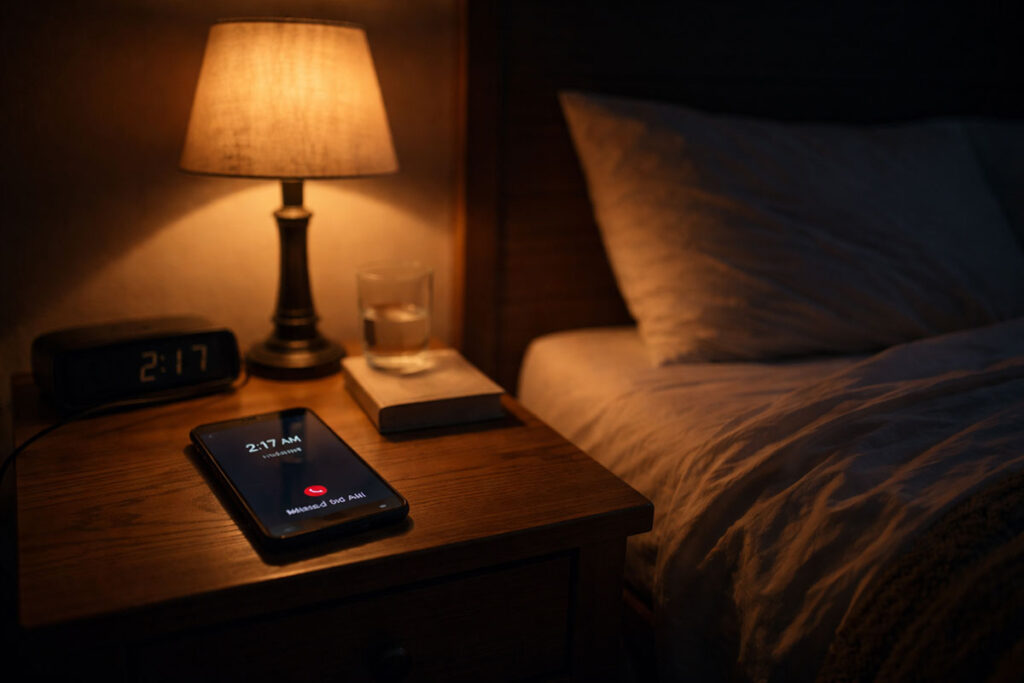

A long-form, fictional magazine story about psychological shelter, resilience fatigue, and the quiet ways people survive.
Table of Contents
1) A Quiet Beginning at 9:00 PM
2) The City That Forgot Blue
3) The Quiet Hour Becomes a Ritual
4) Resilience Fatigue: When Even Comfort Feels Heavy
5) Power Rationing and the Cost of Staying Soft
6) When the Signal Fails
7) The Call from Shelter Fourteen
8) What Changed Afterward
9) The Quiet Ending That Stayed
A Quiet Beginning at 9:00 PM
The first thing Elara did each night was wipe the dust off the microphone.
Not because it helped the sound. Not really. But because the dust felt like proof that the day had happened, that time was still moving, that the city hadn’t turned into one long, unbroken siren. She kept a folded cloth in her pocket like some people kept cigarettes.
At 8:58, she sat down. At 8:59, she closed her eyes. At 9:00, she leaned forward and breathed into the quiet like it was a glass she could fill.
“Good evening,” she said softly, as if the walls had ears. “If you’re listening, you made it to tonight.”
The basement laundry room had once been a place for ordinary things. Warm towels. Soap that smelled like cheap flowers. Children chasing each other between humming machines while their parents pretended not to smile.
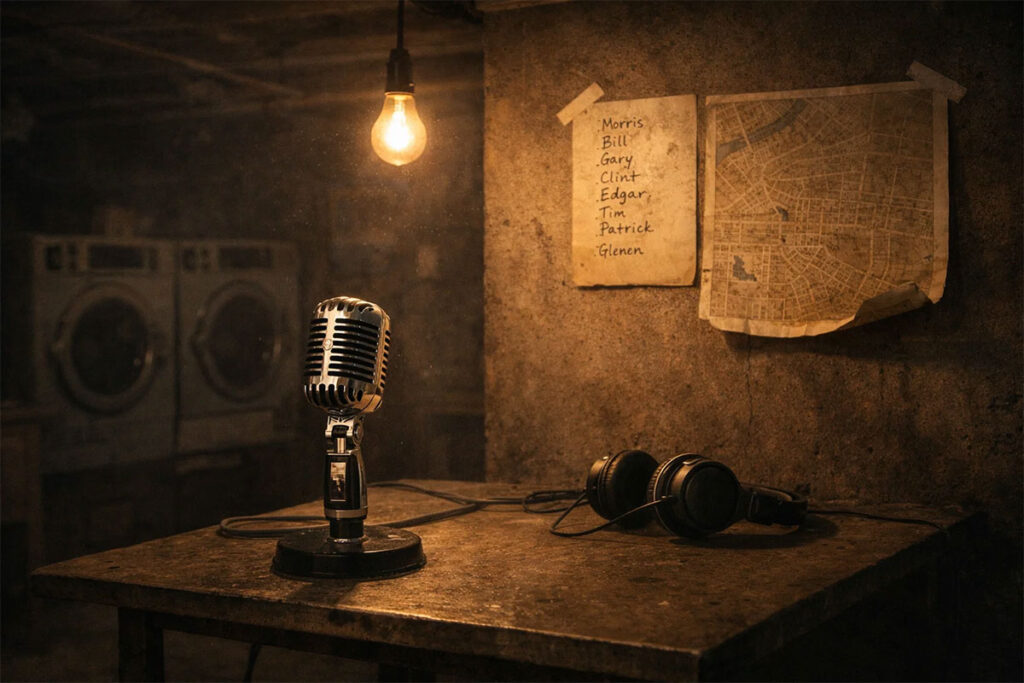
Now the machines were dead. The flower smell was gone. The only movement came from a dangling bulb that swung slightly when someone passed upstairs.
The City That Forgot Blue
A map of the city was taped to the wall, curled at the corners, as if it wanted to peel away from this reality. Beside it, a list of names written in pencil: people who had sent letters, people who had requested songs, people who had called the station just once and then never again.
Elara sat with her headphones on, the vintage microphone centered in front of her like a small altar. It had belonged to her father. Or maybe it had belonged to his father. The story changed depending on his mood.
The city above her had been gray for three years.
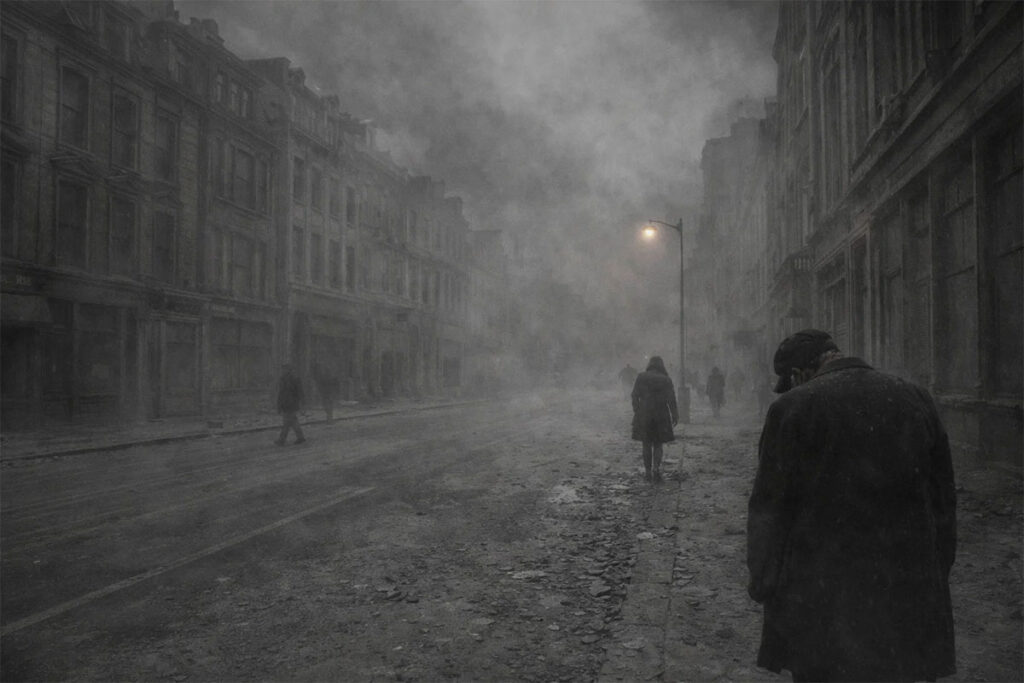
Not the kind of gray that came with winter, where you could still imagine blue on the other side. This was thick gray, permanent gray, a gray that got into your hair and made your throat sore and made the sun look like it had given up.
People said smoke could change you. They meant the lungs, the skin, the smell of your clothes. Elara thought it did something else too. It changed how you expected the world to feel. It taught you to brace.
The Quiet Hour Becomes a Ritual
At first, the radio stations had leaned into the bracing.
They shouted updates. They listed closures. They read casualty numbers in a voice that tried to stay professional and failed anyway. They played urgent music between segments, as if volume could act like armor.
The Quiet Hour had started as a mistake.
Elara wasn’t supposed to host anything. She’d been a producer at Station 7. The kind of person who stayed behind the glass, who checked the levels, who scribbled notes and handed them through the little window at the right moment.
Then the main host got sick. Then the backup host didn’t show. Then the station manager walked out of the building at noon one day and never came back. People didn’t “quit” anymore. They simply disappeared from your schedule.
Elara found herself alone in the studio one night with a stack of unplayed recordings and a dead phone line. Outside, the sirens were starting early. Her hands shook so badly she couldn’t thread the tape.
So she leaned into the microphone and told a story instead.
She described the smell of rain on hot pavement—something she remembered from before the smoke, from childhood summers when storms rolled in like relief. She didn’t know why she chose that. It wasn’t even raining. There hadn’t been real rain for months. But she spoke as if she could summon it with words.
And after she finished, she waited for the phone to light up with complaints.
It didn’t.
What came instead was silence, then one call, then another. People who didn’t say much. People who cried and couldn’t explain why. A man who said, “Please do that again tomorrow.”
What She Gave Instead of News
Every night at 9:00 PM, during the peak hours of anxiety when the sirens were most likely to wail, she broadcast The Quiet Hour from that makeshift studio in the basement laundry room.
She didn’t report troop movements or casualty counts—the other stations did that. Instead, she described the smell of rain on hot pavement, read letters from grandmothers to their distant grandchildren, and played the sounds of forests she hadn’t seen since the war began.
She never thought of it as heroic. She didn’t even like the word.
Resilience Fatigue: When Even Comfort Feels Heavy
Resilience fatigue wasn’t a phrase people used on the radio. It sounded too clinical, too clean. In the city, it had other names.
“Feeling hollow.”
“Running on fumes.”
“Just… tired.”
Elara noticed it in herself first because she had to speak every night. If she stopped, people would hear it. They would hear the thinness in her voice, the way her words started to feel borrowed.
There were mornings she woke up and couldn’t remember what she’d said the night before. The show was becoming a separate person who lived inside her, someone calmer and kinder than she felt during daylight.
She lived in a small apartment on the third floor of a building that had once been bright yellow. The paint had turned the same ash color as everything else. The stairwell smelled like damp plaster and old cooking oil.
Sometimes she stood at her window and watched people moving below. They didn’t look up much anymore. Looking up meant seeing the gray. Looking down meant you could focus on the next step.
Power Rationing and the Cost of Staying Soft
By the time autumn came, electricity was rationed further.
The city announced it with a poster campaign: calm fonts, pale colors, as if design could soften the blow. “Scheduled Outages for Public Safety.” Streets would go dark at certain hours. Buildings would have power for a limited window. People were advised to plan meals and calls accordingly.
Station 7 got its own schedule taped to the door. The Quiet Hour’s slot, 9:00 PM, landed in the middle of a blackout zone twice a week.
Elara stared at the paper for a long time. The manager—one of the few who still came in—shrugged.
“We’ll do what we can,” he said. “Maybe we run it earlier.”
She shook her head before she fully understood why.
Earlier meant competing with other broadcasts. Earlier meant people still cooking, still moving, still not yet in that fragile, open place where the day’s fear settled into their chest.
So She Took the Microphone Home
So she carried the microphone home on blackout nights.
She carried it wrapped in a scarf like something breakable and old. She set it up in her apartment with a small transmitter the station had salvaged from a storage room. The signal was weaker, but it reached enough rooftops, enough radios.
Here she was, perched between a cracked mug and a bowl of dried lentils, speaking into a piece of history while her sink dripped steadily.
When the Signal Fails
On a Tuesday in late November, the equipment began to fail.
It started small. A crackle under her voice, like a fire trying to catch. She adjusted the cable. It stopped. Then it came back.
The next night, the crackle became a pop. The pop became a brief dead space, a second where the line went blank and then returned.
At the station, an engineer finally told her what she already suspected.
“The board’s dying,” he said, rubbing his eyes. “We can patch it, but… we’re out of parts. We’ve been out of parts.”
Elara stared at the mixer like it was a sick animal.
“What if it just… stops?” she asked.
He shrugged. “Then it stops.”
The Call from Shelter Fourteen
At 9:00, she opened her mouth.
Nothing came through her headphones.
She tapped the microphone. She checked the connection. She pressed buttons that didn’t matter. The city above her was waiting, radios turned on, hands poised, breath held.
She grabbed her portable recorder and started speaking into it anyway, like someone talking to a sleeping person.
Then, a sudden crackle burst into her headphones. The signal stuttered back, weak but present. The board, dying, had decided to give her another chance.
She grabbed the live mic, heart hammering.
“We’re here,” she said. “We’re still here.”
A faint sob came through the phone line.
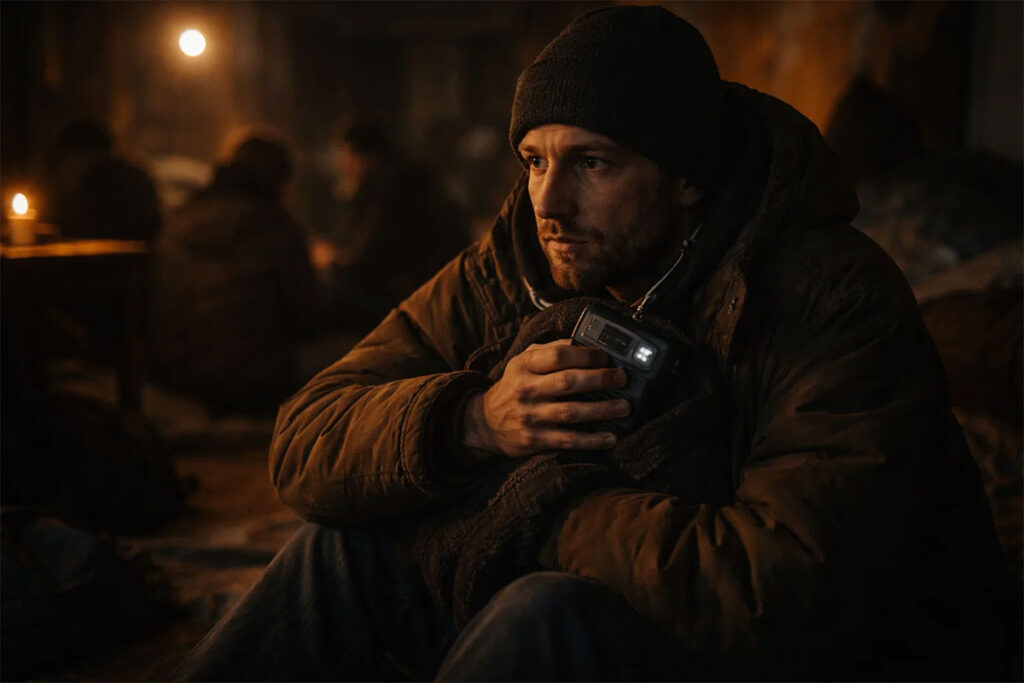
Someone had called. Somehow the phone had worked.
“Elara?” a voice whispered. A woman. Young, maybe. Her breath caught as if she’d been running.
“Yes,” Elara said softly. “I’m here.”
“I thought it was gone,” the woman said. “When it went quiet, I thought… I thought that was it. That even this… even this was over.”
“What’s your name?” Elara asked.
“Lina,” the woman said. “I’m in Shelter Fourteen.”
Sirens started in the distance. Lina whispered, “They’re starting.”
Elara took a slow breath.
“Okay,” she said. “Do this with me. Put one hand on your ribs if you can. Feel them move. In… and out.”
Lina’s breathing came through, rough at first, then slower.
Elara matched it. She spoke softly over the sirens, describing something simple: a cup of tea cooling on a windowsill, steam rising like a small ghost. A street corner before the war, a vendor selling oranges, the bright color that used to mean nothing.
The call lasted a few minutes. Lina whispered thank you, then the line cut.
What Changed Afterward
The next day, Elara expected backlash. From management. From listeners. From anyone who preferred their comfort packaged and distant.
What came instead were letters.
One note simply said: “Thank you for saying you’re tired. I thought I was the only one.”
Another: “My father doesn’t cry. He cried last night when you said ‘we’re still here.’ He pretended it was smoke in his eyes.”
A third, written in careful block letters: “I am a soldier. I can’t say where. I listen when I can. I don’t need news. I need my mind to not break.”
Elara carried those notes home as if they were fragile. She read them again and again, not because they made her feel proud, but because they made her feel less alone.
Still, the equipment worsened. The station’s generator fuel was being diverted. There were talks of shutting down smaller broadcasts.
One afternoon, the engineer met her in the hallway.
“It won’t last,” he said quietly.
Elara nodded, surprising herself with how calm she felt.
“I know,” she said. “So we do what we can while it does.”
The Quiet Ending That Stayed
On one of the last blackout nights before winter deepened, Elara broadcast from her apartment again.
The city was dark. The stairwell echoed. Somewhere outside, a dog barked once and then went quiet.
Elara leaned in and spoke softly.
“Tonight I want to tell you something simple,” she said. “If you are exhausted, it doesn’t mean you’re weak. It means you’ve been carrying too much for too long.”
She didn’t push it into inspiration. She let it sit like a hand on the shoulder.
“If the quiet comes before I’m finished,” she said, “make your own for a moment. You already know how.”
The red light blinked out.
The room was suddenly very still.
Elara sat there in the dark, listening to the drip of her sink, the soft crackle of the city settling. She felt grief, yes, sharp and real. But beneath it was something else too—something she hadn’t expected to find in herself.
A thin thread of peace.
Not the kind you celebrate. The kind you hold like a match in your cupped hands, careful not to brag about it, careful not to let the wind take it.
She sat with that thread until the bulb upstairs flickered back on and the world returned, gray and imperfect as ever.
And when she finally stood, she didn’t feel like a hero.
She felt like a person who had done one small, stubborn thing.
And for tonight, that was enough.
From Story to Real Life
Stories can help us feel seen, but real healing also needs practical tools. If this story touched something personal in you, read this next:
How to Find Calm in Anxious Times: 7 Grounding Habits That Help You Breathe Again
A helpful guide to grounding habits, emotional calm, and finding peace during overwhelming times.
Disclaimer
This is a fictional story created for storytelling purposes.